Origins
Adapted from the phrase secondhand embarrassment, used here to describe a deeper form of recognition that arises through lived identification rather than observation alone.
Meaning
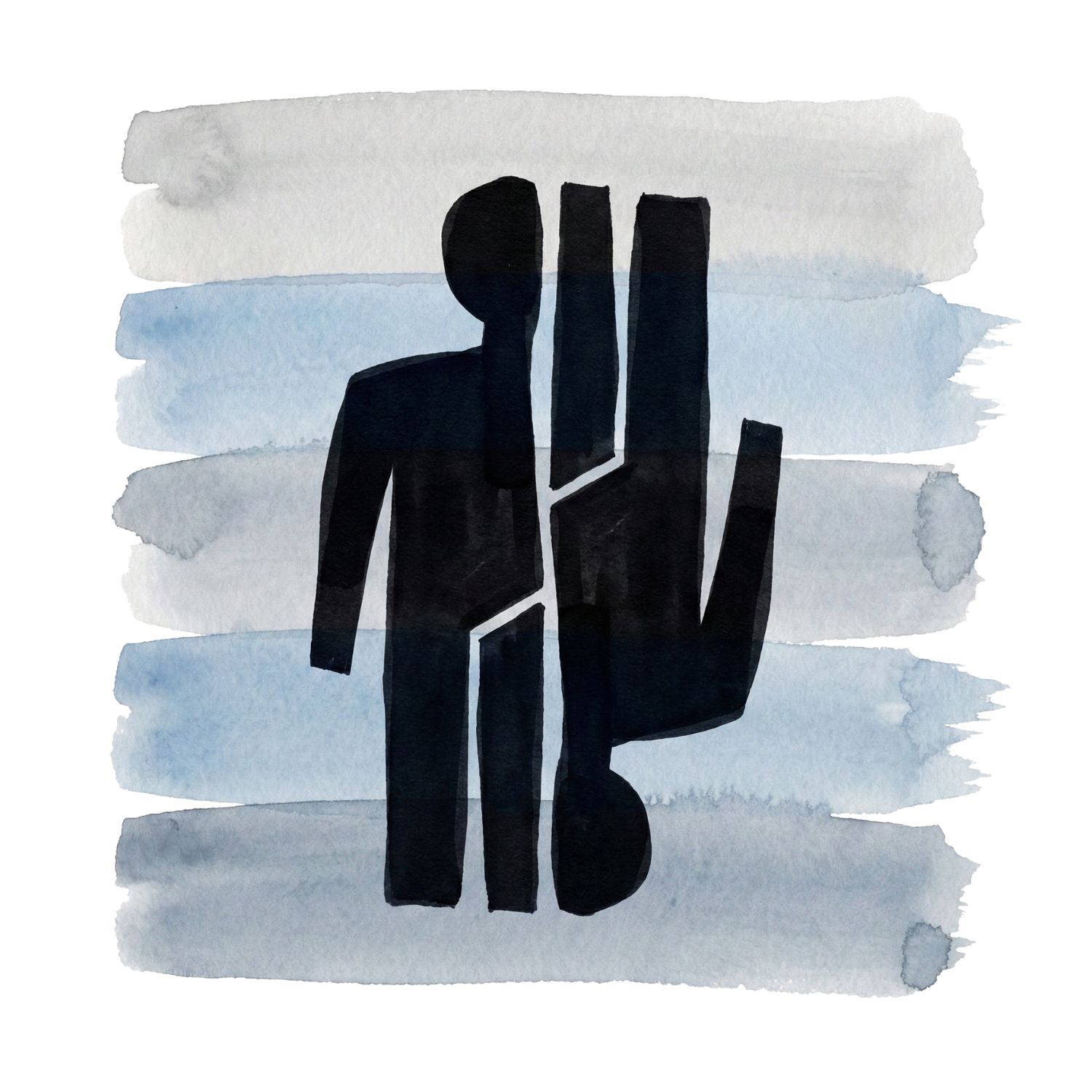
Secondhand names the moment in recovery when we encounter someone else behaving in ways we once did, and feel an immediate, unsettling discomfort. Their mannerisms, tone, or lack of awareness make the room tighten – and only then do we realize that this is how we once sounded, how we once landed, how we once affected others without knowing it. The recognition turns inward, arriving too late to be useful and too clear to ignore. There is nothing to correct and no apology that fits the moment, only the quiet understanding that our past presence carried more weight than we knew, and that growth sometimes announces itself not through relief, but through unease.
Usage
Listening to him talk, we felt a wave of Secondhand – and realized how many rooms we must have made feel that way.